A Beginner's Guide to Buying a Luxury Yacht in the USA and Globally
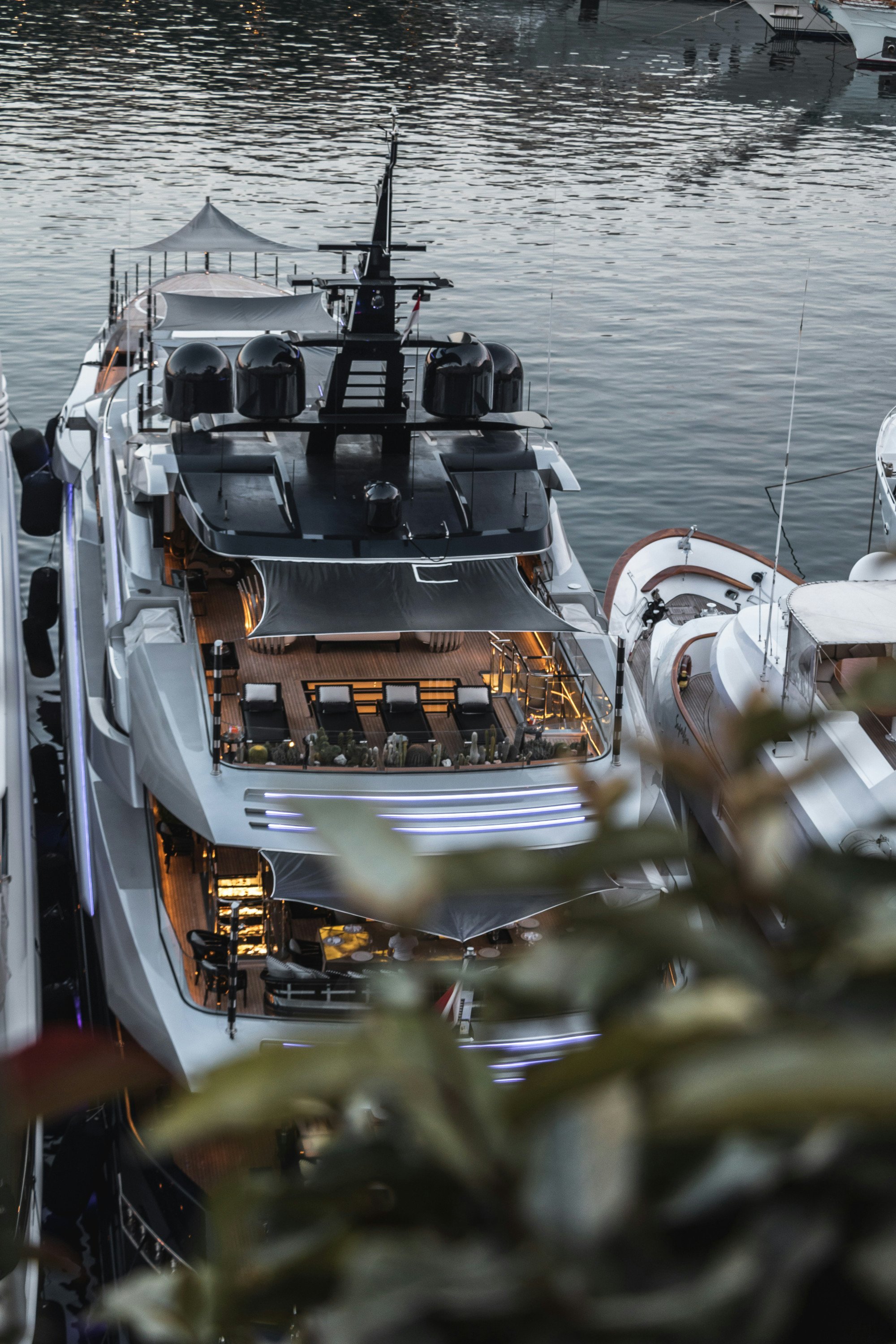
For U.S.-based clients ready to stop chartering and start owning, the decision is rarely about whether to buy. It is about which yacht, where it should live, and how to run it.
At Bespoke Life, we handle yacht acquisitions for U.S. clients globally — whether the boat is in Fort Lauderdale, Palma, Antibes, or Olbia. The location of the buyer does not constrain the location of the yacht. A Dallas-based owner can perfectly well buy a yacht that lives in Monaco. What follows is the realistic 2026 picture, structured the way we walk first-time buyers through it.
Key Takeaways
Luxury yacht prices in 2026 range from $500,000 to $100M+. Sub-50ft entry models start at $500K. Most genuinely luxury yachts (24m+/80ft+) trade in the $2M to $20M range. Superyachts above 70m exceed $100M.
Annual operating costs run 10 to 15% of the yacht's value. A $10M yacht costs $1M to $1.5M per year to run. A $25M yacht runs $2.5M to $3.75M.
Crew is the largest line item. Typically 30 to 40% of annual operating cost, followed by maintenance, dockage, fuel, and insurance.
Registration and cruising region are separate decisions. Flag state (Cayman, Marshall Islands, Malta, Monaco) drives tax and legal structure. Cruising region (Mediterranean, Caribbean, Asia) drives daily operating costs and VAT exposure.
The buyer's location does not constrain the yacht's location. A Dallas-based owner can buy and keep a yacht in Monaco, Antibes, Palma, or Dubai with proper structuring.
We handle yacht acquisitions for U.S. clients globally. Domestic U.S., Mediterranean, Caribbean, and Asian markets, including pre-owned and new-build transactions.
Why people buy a yacht
The honest reasons split into a few buckets, and most owners are some mix of all of them.
The freedom
A yacht is the only luxury asset that genuinely transports you. You wake up in Monaco, swim off Cap d'Antibes by lunch, and dine in Saint-Tropez by evening — without packing, without unpacking, without negotiating with a hotel or a flight. For families and groups of friends, that combination of mobility and comfort has no land-based equivalent.
The privacy
Unlike chartering, ownership means no broker, no APA reporting, no third-party records of who was aboard and when. For some clients, this matters more than anything else.
Time on the water
Clients who use a yacht 8+ weeks per year typically find that ownership starts to make economic sense compared to chartering equivalent vessels week by week. Below that, charter is almost always more efficient.
The community
Yachting has a world around it — shipyards, captains, designers, the Monaco Yacht Show, the community of other owners. For clients who enjoy that world, ownership opens doors that charter does not.
Customization
A yacht configured around your life — galley layout, cabin count, water toys, tender, helicopter pad — is fundamentally different from rotating through whatever the charter market offers.
For the chartering side of this conversation, see our companion guide: why Dallas clients charter abroad covers the rental product line.
Is buying a yacht actually worth it for you?
A clean test before going further.
Ownership tends to make sense when:
You use a yacht at least 8–10 weeks per year, or you plan to charter it commercially to offset costs
You want a specific configuration the charter market cannot give you
The same captain, crew, and onboard preferences across years matter to you and your family
Privacy is decisive
You enjoy the world of yachting itself, not just the time on board
Chartering remains the better choice when:
You sail 1–4 weeks per year and want variety in destinations and yacht styles
You do not want to manage crew, dockage, refits, or off-season storage
You want flexibility — different boat next year, different region, different size
For clients who fall in between, fractional ownership of a yacht is a real option in 2026 through programs like SeaNet and a handful of others. It mirrors fractional jet ownership in structure: an equity share plus a defined number of weeks per year.
How to find the right yacht for you
The first conversation matters most. The questions worth answering honestly before you start visiting yards:
Motor or sail?
Motor yachts dominate the Mediterranean and Caribbean charter markets because they move quickly and arrive in style. Sailing yachts (and increasingly catamarans) suit clients who want a slower, more immersive cruising rhythm — strong in Greece, Croatia, and the BVI.
Cruising plans
A yacht designed for the Mediterranean season looks different from one built for transatlantic passages. Range, draft, fuel capacity, and crew quarters all flow from this.
Use pattern
A family vessel for 8 guests in 4 cabins is engineered differently from a corporate-entertaining yacht for 12 with formal dining space. Both can be 35 meters; almost nothing else about them is the same.
Size
Sounds obvious. The bigger trap is that clients underestimate how much yacht their actual use pattern needs. Most first-time buyers oversize by 10–15 feet and pay 10–15% of the purchase price extra every year to operate the difference.
Budget honesty
Not just the purchase price — the all-in cost over a 5-year hold. We'll get to that.
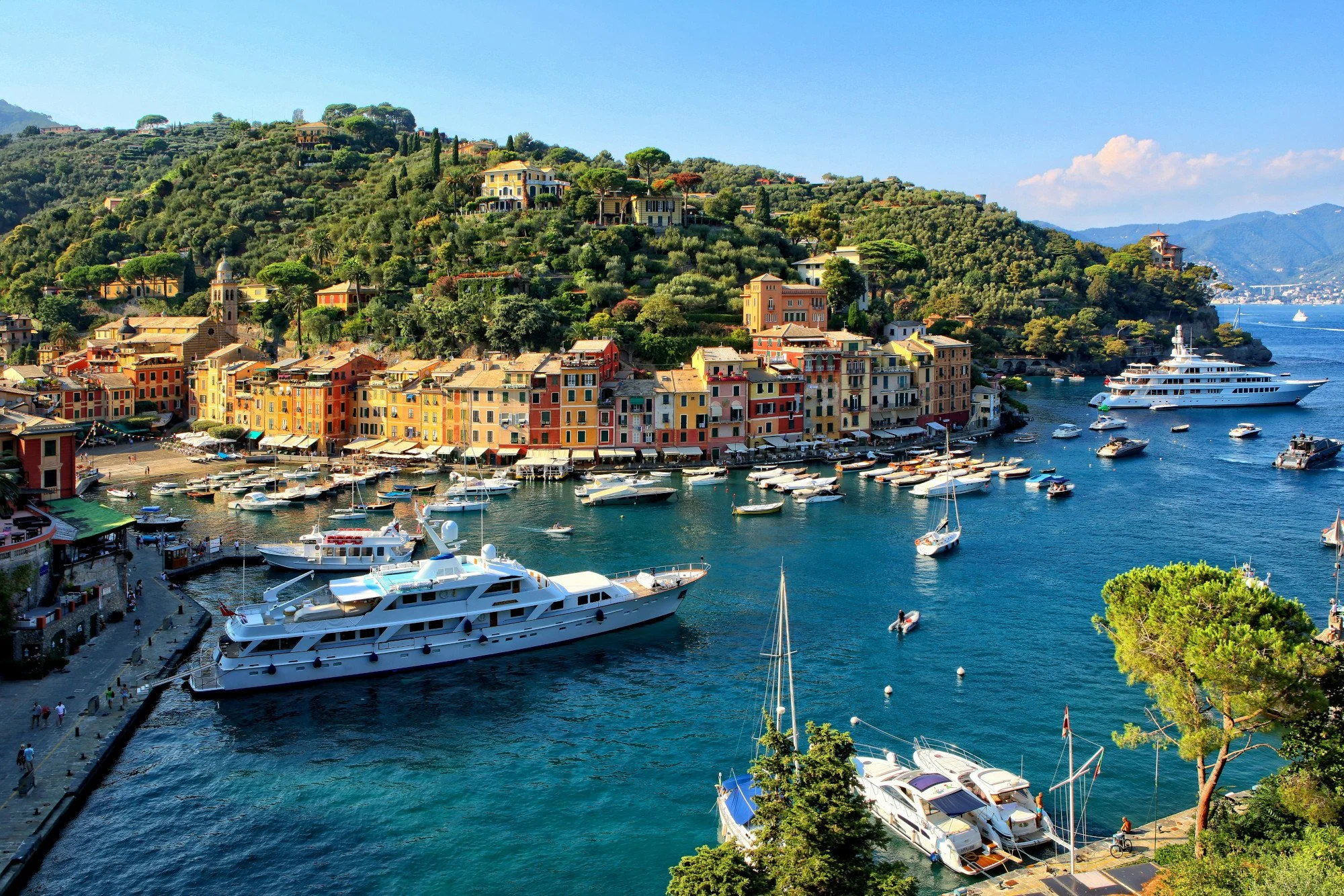
What does a luxury yacht cost in 2026?
Pricing scales steeply with length. Current 2026 market ranges:
Below 15m (50ft): $500,000–$2,500,000 — entry-level cruisers and sport yachts
15–21m (50–70ft): $2,000,000–$6,000,000 — the upper end of "yacht" before crewed-superyacht territory
20–30m (70–100ft): $6,000,000–$20,000,000 — the entry to true crewed luxury yachting
30–45m (100–150ft): $20,000,000–$50,000,000 — full-service yacht with 8–12 crew
45–70m (150–230ft): $50,000,000–$150,000,000+ — superyacht territory
70m+ (230ft+): $100,000,000–$500,000,000+ — mega yachts
A few patterns inside those numbers:
New vs. pre-owned spread widens with size. A well-maintained 15-year-old 70ft motor yacht might sell for 40–50% of its new-build equivalent. For superyachts above 50m, the spread can be even larger — but maintenance and refit history become decisive at that level.
Pedigree matters. A Feadship, Lürssen, Heesen, Benetti, Sanlorenzo, or Perini Navi commands a meaningful premium over a less-established builder, and resells significantly better.
Refit costs can rival the purchase price. A 20-year-old superyacht bought for $15M might require $5M–$10M of refit to reach the buyer's standard. Always budget for refit before committing to a vintage hull.
The hidden costs: the 10–15% rule
The most important number in yacht ownership is not the purchase price. It is the annual operating cost.
Industry standard in 2026: annual operating costs run 10–15% of the yacht's market value, with the higher end typical for larger or more heavily used yachts.
A $10M yacht: roughly $1M–$1.5M per year
A $25M yacht: roughly $2.5M–$3.75M per year
A $75M superyacht: $7.5M–$11M+ per year, often higher
What that 10–15% covers:
Crew (salaries, benefits, training): 30–40% of annual operating costs — the single largest line item
Dockage and marina fees: 10–15%
Fuel and consumables: 10–20% (varies heavily by usage)
Maintenance and scheduled refits: 15–25% (averaged across years)
Insurance: 1–2% of yacht value
Provisioning, communications, legal: 10–15%
Crew specifics. A 40m yacht typically runs 8–10 crew at roughly $500,000–$600,000 annually. A captain alone earns $80,000–$200,000 depending on experience and yacht size; senior officers $70,000–$120,000.
Dockage specifics. A premium Mediterranean berth in Monaco or Porto Cervo in peak season can run $5,000+ per night; a Caribbean berth $2,000–$4,000. Annual home-port dockage runs $30–$120 per foot per month depending on region.
A worked five-year ownership cost on a $10M yacht: roughly $5M–$7.5M in operating costs over the hold period, plus the depreciation on the hull at sale. The true all-in cost per year, including depreciation, often lands at $1.5M–$2M for a yacht in that bracket.

How to fund a yacht purchase
Three common paths in 2026:
1. Cash purchase
Still the most common for transactions under $20M. Cleanest from a tax and registration perspective.
2. Marine financing
Specialist marine lenders (Northpoint, OneBoat, several U.S. and European banks) finance yacht purchases at LTVs typically up to 60–80% for the right buyer profile and vessel. Rates have risen with the broader interest-rate environment but remain accessible for qualified buyers.
3. Through-broker financing arrangements
Some brokers and yacht management companies maintain relationships with lenders for streamlined approvals tied to specific transactions.
For clients not ready to commit to a single yacht, fractional ownership is the bridge product. SeaNet and a handful of other programs let you buy a share of a specific yacht for a defined number of weeks per year — substantially less capital, no operating responsibility, less control. Worth considering if you are charter-curious-plus.
Charter first, then buy
We recommend this to almost every first-time buyer.
Charter the specific yacht you are considering, or charter equivalent vessels for two or three seasons before committing to ownership. The reasons:
You learn what you actually use
Most first-time buyers think they want a bigger yacht than they actually need. After 2–3 charter weeks, your preferences (number of cabins, deck configuration, water toys, layout) clarify dramatically.
You learn which builders, captains, and crews you actually like
Reputation on paper and experience aboard are not the same thing.
You learn the regions
A buyer who has chartered Monaco, Sardinia, and the BVI knows which one they actually want their yacht based in. A buyer who has only read about them does not.
You build relationships
Charter clients who eventually buy often retain the captain and senior crew they enjoyed during charter weeks. That continuity is worth real money in the acquisition phase.
The cost of 2–3 charter weeks ($150K–$1M+ depending on yacht size) is a rounding error compared to the cost of buying the wrong yacht.
Where to register and where to keep the yacht
These are two separate decisions, and both matter.
Flag state (registration)
The Cayman Islands, Marshall Islands, Malta, and the British Virgin Islands dominate luxury yacht registration globally because of favorable tax structures, established maritime law, and ease of commercial chartering. Monaco offers prestige and some operational advantages but limited capacity. The U.S. flag is straightforward for U.S. owners cruising primarily in domestic waters but creates complications for international cruising and commercial chartering.
Cruising region (where the yacht lives)
This is where the yacht is physically based for the season — typically the Mediterranean from May to October and the Caribbean from November to April. Many superyachts make a transatlantic delivery twice a year between the two.
For U.S. clients keeping a yacht in the Mediterranean: VAT treatment, port fees, and crew tax residency all become important. This is where a good maritime lawyer and a yacht management company earn their fees several times over.
How the purchase process actually works
A typical luxury yacht acquisition with full broker representation:
1. Brief and budget
Length, type, new vs. brokerage, cruising plans, crew preferences. From this, we shortlist candidate yachts.
2. Visit and sea trial
Walkthroughs at marinas in Fort Lauderdale, Palma, Monaco, or wherever the candidate yachts are berthed. Sea trials test the boat in actual cruising conditions.
3. Offer and survey
Offer subject to survey. A full marine survey on a 30m+ yacht runs $30,000–$80,000 and can take 1–3 weeks. This is the diligence stage that prevents the most expensive mistakes.
4. Negotiation, contract, closing
International yacht transactions typically use the MYBA (Mediterranean Yacht Brokers Association) memorandum of agreement. Closings happen in jurisdictions chosen for tax and registration efficiency.
5. Flag, registration, crew, management
The yacht is registered under the chosen flag, crewed (existing crew often stay on, new crew is hired into gaps), and placed under a yacht management company unless the owner builds in-house capability.
6. Refit (optional)
Pre-owned yachts often go directly into a refit window — typically winter in a Mediterranean or Northern European yard — before the owner takes delivery for the first full season.
Brokerage commissions on luxury yacht sales are typically 10% of purchase price, paid by the seller in most transactions. A good broker is worth significantly more than that, particularly on off-market and limited-supply yachts.
Should U.S. buyers buy domestically or abroad?
The honest answer in 2026: it depends entirely on where you want the yacht to live.
Buying in the U.S. (Fort Lauderdale, Newport, Annapolis) is straightforward if the yacht will remain primarily in U.S. waters. Sales tax structuring (Florida's offshore delivery option, for example) and U.S. flag registration are the operative considerations.
Buying in Europe is the right move if the yacht will live in the Mediterranean. The largest fleet, the most experienced brokers, the best refit yards, and the deepest pool of available vessels are all there. EU VAT treatment is the most important consideration, and proper structuring — often with non-EU registration and careful management of cruising time in EU waters — is critical.
Buying via Asia or the Middle East is a smaller share of the market but growing, particularly for yachts that will be based in Dubai or for clients buying directly from Asian yards (Sanlorenzo Asia, Heysea, certain Chinese builders).
We coordinate transactions across all three. The yacht being in Europe does not require the buyer to be in Europe — full power of attorney structures are standard for international purchases. A Dallas-based client buying a 35m motor yacht in Monaco can complete the entire transaction without leaving Texas if they choose to, though most owners want at least one in-person walkthrough and sea trial before signing.
How Bespoke Life helps
We are not a yacht brokerage. We work alongside trusted brokers, surveyors, lawyers, and yacht management companies — and we run the process for the client. That means:
Defining the brief and shortlist (often refining it materially from the first conversation)
Coordinating broker introductions across the U.S., Mediterranean, and Asia
Managing survey logistics, lawyer engagement, and contract review
Flag-state and registration strategy
Crew transition and ongoing management company selection
Long-term ownership support — refit oversight, charter management if the yacht is commercially placed, transition to a different yacht when the time comes
For broader context on how this fits within our concierge model, see our overview of luxury personal concierge services and our bespoke concierge services hub.
Frequently Asked Questions
-
Yes, and many do. The location of the buyer does not constrain the location of the yacht. With proper flag-state registration (typically Cayman, Marshall Islands, or Malta), a yacht management company in the Mediterranean, and U.S. tax structuring, a Dallas-based owner can keep a yacht based in Monaco, Antibes, or Palma year-round. We handle this scenario regularly.
-
The 10–15% rule: annual operating costs typically run 10–15% of the yacht's market value. A $10M yacht costs $1M–$1.5M per year to run. Crew is the largest single line item (30–40% of operating), followed by maintenance, dockage, fuel, and insurance.
-
The industry definition is 24 meters (78 feet) and above. "Superyacht" is most commonly used for yachts above 30m (100ft), and "mega yacht" or "giga yacht" for 70m+ (230ft+) vessels. Below 24m is generally "motor yacht" or "sport yacht" territory.
-
Yes. Specialist marine lenders (Northpoint, OneBoat, several U.S. and European banks) finance yacht purchases at LTVs typically up to 60–80% for qualified buyers and vessels. Rates vary with the broader interest-rate environment. Fractional ownership is the alternative for clients not ready for full purchase — programs like SeaNet offer equity shares with defined weekly access.
-
Many owners do. Yacht clubs (the New York Yacht Club, Monaco Yacht Club, Royal Yacht Squadron, and similar) offer reciprocal docking at member clubs worldwide, a community of other owners, and event access (Monaco Yacht Show, regattas, exclusive social calendars). Membership is meaningful for clients who want the world around the yacht, not just the time on board.
-
Yes — significant ones, and they vary dramatically by flag state, cruising region, and how the yacht is used. U.S. owners face sales tax, property tax (in some states), and federal tax treatment that depends on whether the yacht is held personally or through an entity. International ownership adds VAT, charter income tax in the country of operation, and crew tax residency questions. Always engage a maritime tax attorney and a CPA who specializes in marine assets before structuring the purchase.
-
For yachts under $20M, the pre-owned market typically offers the better value — well-maintained 5–10 year old yachts often sell for 50–70% of new-build equivalent. For larger yachts, new builds offer customization that pre-owned cannot match, but waitlists at top yards (Feadship, Lürssen) can run 3–5+ years. Pre-owned superyachts often go through significant refit before the new owner takes delivery.
-
The Mediterranean Yacht Brokers Association memorandum of agreement is the standard international contract template for luxury yacht sales and charters. It harmonizes terms across jurisdictions and is used in the majority of European and many international transactions.
-
Yes — many owners place their yachts on commercial charter when not using them personally. A well-positioned superyacht in the Mediterranean can generate $500,000–$3,000,000+ per year in charter revenue, though structuring (commercial flag, crew certification, charter broker relationships) needs to be set up from the start. Commercial charter does not turn a yacht into a profit center but can offset 30–60% of annual operating costs.
-
No. We handle yacht acquisitions globally, including for U.S.-based clients buying yachts in the Mediterranean, the Caribbean, Asia, and the Middle East. The buyer's location does not need to match the yacht's location — we coordinate the process across jurisdictions, brokers, lawyers, and registration authorities.
Ready to start looking?
If you are weighing a first yacht purchase or upgrading from an existing boat, a 30-minute call will tell you whether the budget, region, and use case actually align — before you start visiting marinas.
❖
personal lifestyle concierge services in dallas tx & worldwide
BESPOKE LIFE: ELEVATING YOUR LIFESTYLE